Step-by-Step Checklist for Picking the very best Assisted Living Facility
Business Name: BeeHive Homes of Portales
Address: 1420 S Main Ave, Portales, NM 88130
Phone: (505) 591-7025
BeeHive Homes of Portales
Beehive Homes of Portales assisted living is ideal for those who value their independence but require help with some of the activities of daily living. Residents enjoy 24-hour support, private bedrooms with baths, medication monitoring, home-cooked meals, housekeeping and laundry services, social activities and outings, and daily physical and mental exercise opportunities. Beehive Homes memory care services accommodates the growing number of seniors affected by memory loss and dementia. Beehive Homes offers respite (short-term) care for your loved one should the need arise. Whether help is needed after a surgery or illness, for vacation coverage, or just a break from the routine, respite care provides you peace of mind for any length of stay.
1420 S Main Ave, Portales, NM 88130
Business Hours
Choosing an assisted living neighborhood is one of those choices that is both practical and deeply psychological. You are weighing security, medical requirements, and money, however also dignity, identity, and the texture of daily life. Households frequently inform me they wish they had a clearer roadmap before they started touring locations and checking out shiny brochures.
What follows is a structured, real-world list built from years of working in senior care, listening to families, and seeing what in fact matters when somebody relocations in. Use it as a guide, not a stiff rulebook. Every person and every household has its own non‑negotiables.
A quick 5‑step list at a glance
Use this as your high‑level roadmap. The remainder of the article dives deep into each step.
- Clarify needs, choices, and timing
- Understand budget plan, advantages, and financial constraints
- Build a brief, reasonable list of assisted living options
- Visit, observe, and compare care quality and daily life
- Review contracts, prepare the shift, and reassess after move‑in
Most households move back and forth between these steps instead of following them in a perfect straight line. That is normal. The point is to keep your choice anchored in a structured process instead of whatever facility returns your call initially or has the shiniest lobby.
Step 1: Clarify needs, preferences, and timing
If you avoid this step, whatever else gets more difficult. You will hear sales language from assisted living communities that might or might not match what your parent or loved one actually needs.
Start with function and security, not age. Two 82‑year‑olds can have entirely different assistance needs. One may still drive, cook, and handle medications, while the other struggles with dressing, remembering doses, and falls.
A useful method to think about this is to look at:
- Activities of everyday living (ADLs): bathing, dressing, toileting, moving, eating, and continence
- Instrumental activities of daily living (IADLs): cooking, shopping, handling finances, transport, household chores, handling medications
Even if you never utilize these terms with a facility, having your own rough sense of whether your parent requires light, moderate, or heavy assistance with ADLs and IADLs will enable you to ask sharper questions.
It typically helps to have an objective assessment. This can originate from:
A medical care physician or geriatrician who understands their medical history.
A medical facility discharge coordinator, if you are transitioning after a hospitalization. A care supervisor or social employee who focuses on senior care or elderly care.If your loved one has memory loss, ask straight about cognitive concerns. Early dementia can show up as confusion about time, problem handling cash, or repeated medication errors. Not all assisted living facilities are established for substantial memory problems. Some provide devoted memory care units, with locked but home‑like settings and personnel trained specifically in dementia.
Alongside practical needs, write down choices. These matter for quality of life:
Location: near family, familiar neighborhood, near a specific hospital.
Size: smaller, home‑like buildings vs large campuses with more amenities. Culture: peaceful and low‑key vs active and social. Religious or cultural alignment. Family pets, outdoor space, privacy, visiting hours.Finally, be truthful about timing. Are you preparing ahead, or are you responding to a crisis such as a fall or caregiver burnout in the house? If it is immediate, you might need respite care first, then transition to permanent assisted living as soon as everyone can breathe and plan.
Step 2: Understand budget plan, advantages, and monetary constraints
Money forms the sensible menu of options. Families often underestimate total expenses, then feel blindsided later.
Assisted living is normally private pay. Medicare typically does not cover space and board in assisted living facilities, though it may cover particular medical services supplied there. Medicaid protection differs by state and often has waitlists, eligibility requirements, and limited taking part facilities.

Start by clarifying:
What income and possessions are available monthly and over the next 3 to 5 years.
Whether there is a long‑term care insurance plan, and what it actually covers. Eligibility for veterans' benefits, such as Aid and Participation, which can offset some assisted living costs. Whether offering a home is on the table, and if so, on what timeline.Facilities typically price estimate a base rate and then include tiered care fees. For instance, the base might include rent, utilities, basic housekeeping, and some meals. Extra costs might request medication management, incontinence care, additional escorts, or improved monitoring at night. 2 homeowners in the very same structure can pay very various month-to-month amounts.
Ask yourself what trade‑offs you are willing to make. A facility that appears costly initially glance might offer greater staff ratios, better nursing oversight, or a more powerful performance history managing complex conditions. A cheaper alternative that relies heavily on outdoors home‑health agencies for even standard care can become more costly and fragmented over time.
It is an error to focus only on the first year. If your loved one has a progressive illness such as Parkinson's or dementia, care needs will rise. You desire a senior care setting that can adapt without forcing yet another disruptive move in a year or two.
Step 3: Build a brief, realistic list of assisted living options
Once you know requirements and spending plan, resist the urge to tour every assisted living facility within 50 miles. You will stress out, and information will blur.
Start with three or four prospects that:
Fit within a practical rate variety, even after adding most likely care fees.
Deal the level of care your loved one needs now, and possibly soon. Are in places that work for the family members most involved in care.Information sources consist of online directory sites, state regulative websites, regional senior centers, doctors, and word of mouth. Be cautious with online evaluations. Complaints can reflect one unhappy family out of hundreds of homeowners, or they might reveal patterns such as persistent understaffing or poor food quality.

A useful filter is to take a look at whether a facility is certified for assisted living just, or if it likewise offers memory care or skilled nursing on the exact same school. Continuing care communities can ease transitions as requirements alter, but they can likewise have higher entrance fees and more complex contracts.
Call each center and pay attention not simply to the material, however to the tone and responsiveness. How quickly do they return calls? Does the person on the phone listen, or simply recite a script about amenities? The method a community manages you as a prospective resident typically mirrors how they handle households as soon as somebody has moved in.
Ask for basic realities before arranging a tour:
Current base rates and common overall month-to-month range for homeowners with comparable needs.
Whether they accept respite care stays, and on what terms. Staffing patterns, particularly the presence and hours of certified nurses on site. Any current ownership or management changes.If a center declines to supply even broad prices ranges before you visit, recognize that as an information point. Transparency at this stage saves everybody time.
Step 4: Visit, observe, and compare day-to-day life
Tours are frequently carefully choreographed. The technique is to look past the staged workout class and fresh flowers.
Plan a minimum of one calm visit for each prospect. If possible, address different times of day: a weekday early morning and a weekend afternoon expose different truths. Ask if your loved one can join for a meal or an activity, so you can see how they respond.
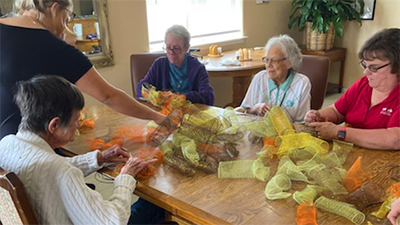
Here is where you switch from checking out marketing products to using your own senses.
First, discover how you feel when you stroll in. Is the environment warm and lived‑in, or cold and hotel‑like? Do personnel greet citizens by name? Are citizens sitting in hallways looking disengaged, or exist pockets of activity at different functional levels?
Second, view personnel behavior. Do caretakers seem rushed and stressed, or calm and attentive? Personnel turnover is a vital indicator. Every structure has some churn, but consistent modification can be a warning. Ask straight for how long normal caretakers and nurses stay.
Third, take note of health and security:
Cleanliness of common areas and bathrooms.
Odors that might suggest poor incontinence management. Lighting, floor covering, and handrails that affect fall risk. How staff assist residents with walkers or wheelchairs.Fourth, look at how medications are handled. Medication management is among the most important services in assisted living, and mistakes can have serious consequences. You desire clear systems: locked medication spaces or carts, recorded administration, and noticeable oversight by nursing staff.
Finally, assess meals and social life. Food in elderly care is more than nutrition; it is comfort and regimen. Try a meal if possible. Ask whether they can accommodate unique diet plans, such as low salt or diabetic. Observe whether personnel really help citizens who require cueing or physical assistance to consume, instead of leaving trays and walking away.
Many households discover it helpful to bring a short list of questions. Keep it useful and prevent being swayed only by amenities that sound good but might never ever be used.
Here is one focused list of questions to direct your tour conversations:
- What is the staff‑to‑resident ratio on days, evenings, and overnight, and how is it changed when needs increase?
- How are care strategies established, who takes part, and how typically are they updated?
- How do you deal with falls, abrupt disease, and modifications in condition, consisting of when to call 911 or a relative?
- Can you explain a common day here for someone with my loved one's capabilities and interests?
- How do you communicate with households about concerns, occurrences, or gradual decline?
Write responses down. After a couple of visits, every structure's sales pitch starts to sound similar. Your notes help you compare truths, not marketing language.
Step 5: Assess care quality, staffing, and medical support
The expression "assisted living" covers a vast array of designs. Some communities are greatly hospitality‑focused, with gorgeous design but minimal clinical depth. Others have strong nursing management but less frills. You want the right blend for your situation.
Care quality depends on staffing patterns, training, guidance, and relationships with external providers.
Ask about:
Who is in fact delivering day‑to‑day care. The majority of hands‑on jobs are done by caretakers or licensed nursing assistants, not nurses or doctors.
Whether there is a nurse in the building 24/7, just during business hours, or on call after hours.How frequently medical suppliers, such as going to physicians or nurse professionals, begun site. What occurs when a resident's requirements escalate beyond the initial care plan.
If your loved one has intricate conditions, such as heart failure, COPD, insulin‑dependent diabetes, or innovative dementia, you will want a community with stronger scientific abilities. This might impact cost, but it minimizes regular healthcare facility journeys and unplanned moves.
Medication management systems vary extensively. Some facilities charge per medication pass, others bundle it. For people on multiple medications, clarify who fixes up new prescriptions after hospitalizations, how they prevent duplication, and how they keep an eye on for side effects.
Respite care can be a useful tool throughout this stage. A short, time‑limited assisted living stay lets you test how a neighborhood manages medications, behaviors, and day-to-day routines without devoting to a long‑term agreement. I have seen households discover during a two‑week respite remain that an allegedly small dementia issue in fact requires a memory care environment. That discovery, while challenging, avoided a bad long‑term placement.
Finally, ask about end‑of‑life assistance. Even if it feels early, understanding whether a center partners well with hospice, and what homeowners can stay in location for, informs you something about their viewpoint of care. A senior care supplier who talks comfortably and concretely about later on stages is generally more skilled and realistic.
Step 6: Read the contract like a skeptic
Once you have a front‑runner, withstand the desire to rush through the documents. The assisted living agreement is where expectations, rights, and duties live. Problems typically develop not from bad people, but from misconceptions buried in fine print.
Block out peaceful time to check out:
How the base cost is specified, and precisely what services it includes.
How care levels or point systems work. There is frequently a schedule that assigns points for each type of assistance, then equates points into a care tier and fee. Policies on rate boosts, both annual and due to increased care needs. What sets off discharge or transfer to another level of care.Pay special attention to the sections on:
Refunds or credits if your loved one leaves or passes away partway through a month.
Resident rights, including grievance procedures and how concerns can be escalated. Obligation for personal valuables and damage.It is typically worth having actually another trusted individual read the contract too. If something is unclear, request a plain‑language description and get it in composing, even in the form of an email.
Also clarify the function of outdoors services. Lots of citizens receive physical therapy, occupational therapy, or nursing through home‑health firms while residing in assisted living. Who arranges those services? Where will they take place? How do they interact with the facility about preventative measures and follow‑up?
If your loved one is moving in from home, inquire about how they deal with the first thirty days. Some neighborhoods have casual "trial" durations or extra check‑ins as the resident changes. Others expect households to supply more existence at first, specifically if there is stress and anxiety or confusion.
Step 7: Strategy the move and the very first couple of weeks
The transition itself can make or break the experience. You are not simply changing an address; you are re‑building everyday life.
Involve your loved one as much as they can deal with. Even somebody with moderate cognitive disability may be able to select preferred chairs, images, or bed linen to bring. Familiar items decrease the shock of a new environment. Try to keep cherished ownerships, such as a comfy reclining chair or quilt, even if they are not stylish.
Coordinate with the facility about:
Furniture dimensions and what they provide vs what you should bring.
Move‑in scheduling to prevent overly rushed or late‑day arrivals, which can be hard for someone with dementia. Medication handoff, including having enough dosages on hand and updated prescriptions.For the very first few weeks, anticipate feelings. Homeowners might express remorse, anger, or unhappiness. Caretakers in your home might feel guilt or relief, often both at the same time. I have actually seen households translate a rough very first week as a sign the positioning was a mistake, when in reality it was a typical adjustment.
Stay visible, but likewise provide personnel room to develop their own relationship. Daily visits in the start can comfort your loved one, however try not to intervene in every small demand. Instead, use that preliminary duration to observe patterns: Is your parent dressed, groomed, and engaged? Do personnel appear to know their routines and quirks?
If your loved one came from home with a very stretched household caretaker, think about using respite care language even for a longer stay. Framing the relocation as "trying this out" can lower the emotional weight, even if you expect it to be permanent.
Step 8: Screen, review, and advocate
Choosing a center is not a one‑time decision. It is an ongoing relationship. The very best outcomes occur when families stay involved, considerate, and properly assertive.
Keep an eye on:
Changes in look, weight, state of mind, or mobility.
Patterns of falls, infections, or hospitalizations. How quickly and clearly the center communicates when something happens.Most assisted living neighborhoods have routine care conferences. Attend them if you can. Use those conferences to upgrade the group on what you are seeing and what matters to your loved one. For example, if your mother is more likely to shower in the evenings since she constantly did so, share that. Small information can make care more successful.
When issues develop, start with the individual closest to the concern, such as the nurse or care supervisor, and escalate step-by-step if required. Facilities typically react much better to specific, accurate concerns than to broad accusations. "I have discovered 3 unopened medication packages in her room in the last month" is more actionable than "you never ever manage her medications right."
Sometimes, after all efforts, you might understand the fit is wrong. Possibly your loved one needs a devoted memory care system, or a different culture, or a location better to another member of the family. Moving again is tough, but remaining in a setting that can not fulfill evolving needs can assisted living be harder. Use what you have actually learned from the very first experience to make a more targeted choice the second time.
Balancing security, autonomy, and quality of life
The heart of assisted living is a delicate balance. You are attempting to offer enough assistance to be safe, without stripping away independence and meaning. Excessive guidance can feel infantilizing; too little can be dangerous.
In practice, the best centers treat homeowners as partners rather than issues to manage. They appreciate long‑standing habits, even when those practices are bothersome. They understand that quality senior care is not just about preventing falls or managing blood pressure, however likewise about laughter at lunch, a familiar hymn in the background, or a staff member who keeps in mind precisely how somebody takes their coffee.
As you move through this list, provide equal weight to your head and your gut. Numbers and contracts matter. So does the subtle sensation you get when you see personnel joking gently with a resident or taking an extra minute to sit at eye level. Assisted living and elderly care have to do with relationships at their core. If the relationships look right, and the concrete details line up with needs and budget, you are most likely really near to the right place.
BeeHive Homes of Portales provides assisted living care
BeeHive Homes of Portales provides memory care services
BeeHive Homes of Portales provides respite care services
BeeHive Homes of Portales supports assistance with bathing and grooming
BeeHive Homes of Portales offers private bedrooms with private bathrooms
BeeHive Homes of Portales provides medication monitoring and documentation
BeeHive Homes of Portales serves dietitian-approved meals
BeeHive Homes of Portales provides housekeeping services
BeeHive Homes of Portales provides laundry services
BeeHive Homes of Portales offers community dining and social engagement activities
BeeHive Homes of Portales features life enrichment activities
BeeHive Homes of Portales supports personal care assistance during meals and daily routines
BeeHive Homes of Portales promotes frequent physical and mental exercise opportunities
BeeHive Homes of Portales provides a home-like residential environment
BeeHive Homes of Portales creates customized care plans as residents’ needs change
BeeHive Homes of Portales assesses individual resident care needs
BeeHive Homes of Portales accepts private pay and long-term care insurance
BeeHive Homes of Portales assists qualified veterans with Aid and Attendance benefits
BeeHive Homes of Portales encourages meaningful resident-to-staff relationships
BeeHive Homes of Portales delivers compassionate, attentive senior care focused on dignity and comfort
BeeHive Homes of Portales has a phone number of (505) 591-7025
BeeHive Homes of Portales has an address of 1420 S Main Ave, Portales, NM 88130
BeeHive Homes of Portales has a website https://beehivehomes.com/locations/portales/
BeeHive Homes of Portales has Google Maps listing https://maps.app.goo.gl/1xZDfURp3wt4uv3T6
BeeHive Homes of Portales has TikTok page https://tiktok.com/@beehive.home.of.portales
BeeHive Homes of Portales has an YouTube page https://www.youtube.com/@WelcomeHomeBeeHiveHomes
BeeHive Homes of Portales has Facebook page https://www.facebook.com/BeeHiveHomesOfPortales
BeeHive Homes of Portales has Instagram page https://www.instagram.com/beehivehomesofportales/
BeeHive Homes of Portales won Top Assisted Living Homes 2025
BeeHive Homes of Portales earned Best Customer Service Award 2024
BeeHive Homes of Portales placed 1st for New Mexico Senior Living Communities 2025
People Also Ask about BeeHive Homes of Portales
What is BeeHive Homes of Portales Living monthly room rate?
The rate depends on the level of care that is needed. We do a pre-admission evaluation for each resident to determine the level of care needed. The monthly rate is based on this evaluation. There are no hidden costs or fees
Can residents stay in BeeHive Homes of Portales until the end of their life?
Usually yes. There are exceptions, such as when there are safety issues with the resident, or they need 24 hour skilled nursing services
Do we have a nurse on staff?
No, but each BeeHive Home has a consulting Nurse available 24 – 7. if nursing services are needed, a doctor can order home health to come into the home
What are BeeHive Homes of Portales's visiting hours?
Visiting hours are adjusted to accommodate the families and the resident’s needs… just not too early or too late
Do we have couple’s rooms available?
Yes, each home has rooms designed to accommodate couples. Please ask about the availability of these rooms
Where is BeeHive Homes of Portales located?
BeeHive Homes of Portales is conveniently located at 1420 S Main Ave, Portales, NM 88130. You can easily find directions on Google Maps or call at (505) 591-7025 Monday through Sunday 9:00am to 5:00pm
How can I contact BeeHive Homes of Portales?
You can contact BeeHive Homes of Portales by phone at: (505) 591-7025, visit their website at https://beehivehomes.com/locations/portales/ or connect on social media via TikTok Facebook or YouTube
City Park offers shaded seating and open green space where residents in assisted living, memory care, senior care, elderly care, and respite care can enjoy gentle outdoor relaxation.